
GLOBAL URGENCY

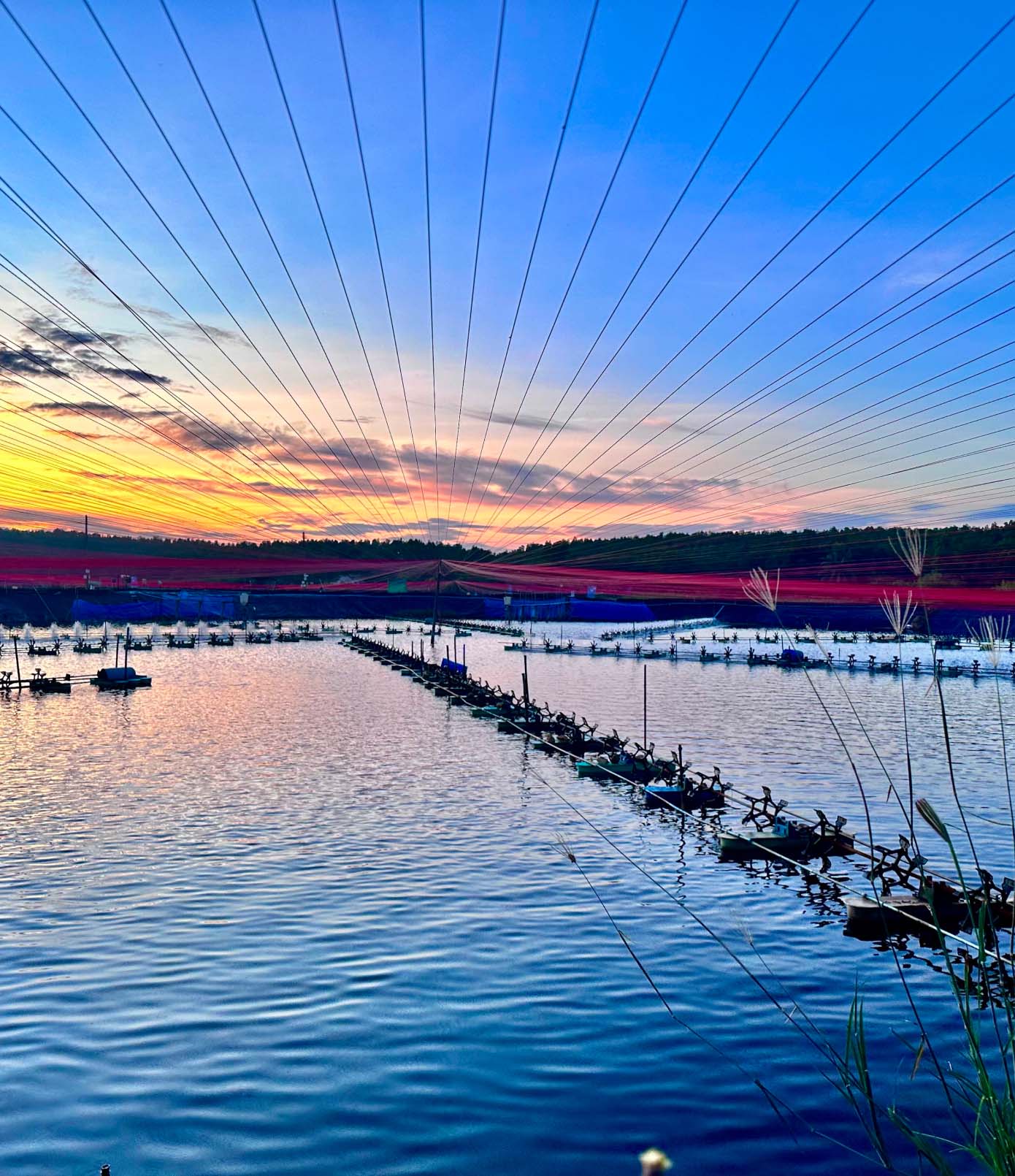
Aquaculture accounts for half of the world's seafood. Aquaculture can directly contribute to solving food insecurity for a rapidly growing population and is projected to more than double in size between 2021 and 2030.

Yet, unless managed responsibly, the aquaculture industry is prone to a number of critical environmental issues such as habitat & biodiversity loss, water pollution and disease outbreak, as well as, aquaculture feed increasing the pressures on deforestation and fisheries.
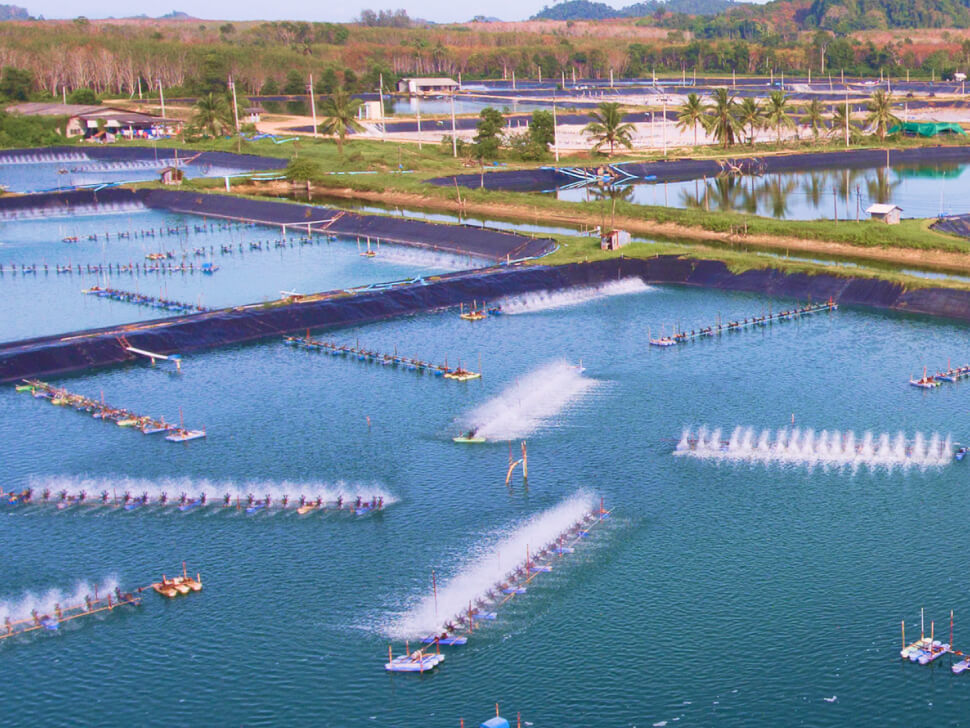
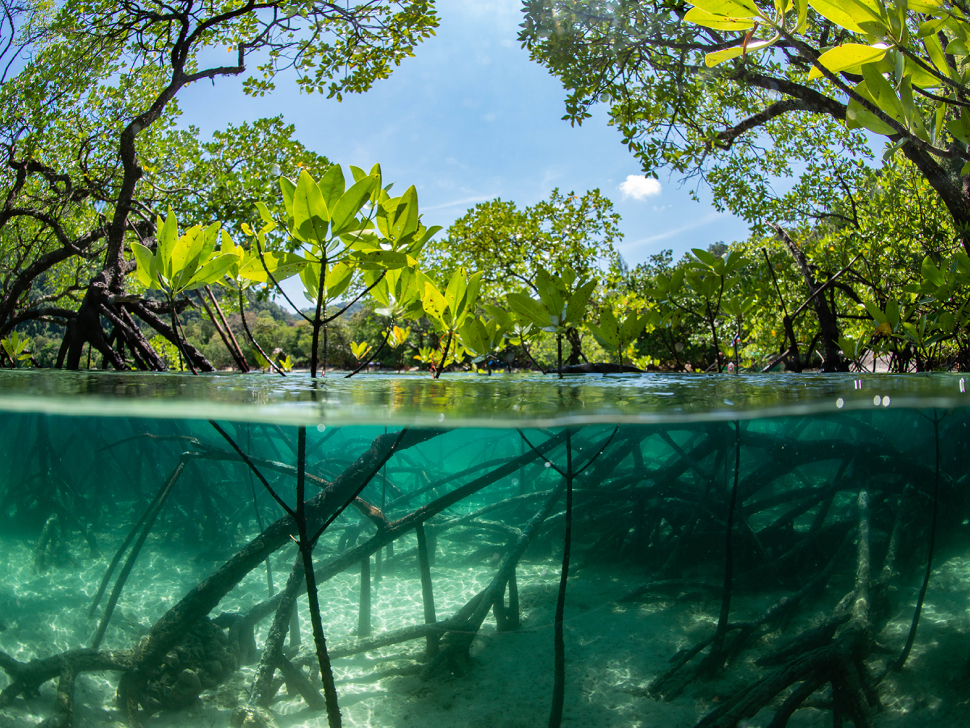
Most food production causes environmental impact, and aquaculture may disrupt critical mangroves as well as lead to deforestation through feed. Waste output from farms can also affect water quality and surrounding wildlife diversity.
INTEGRATED APPROACH

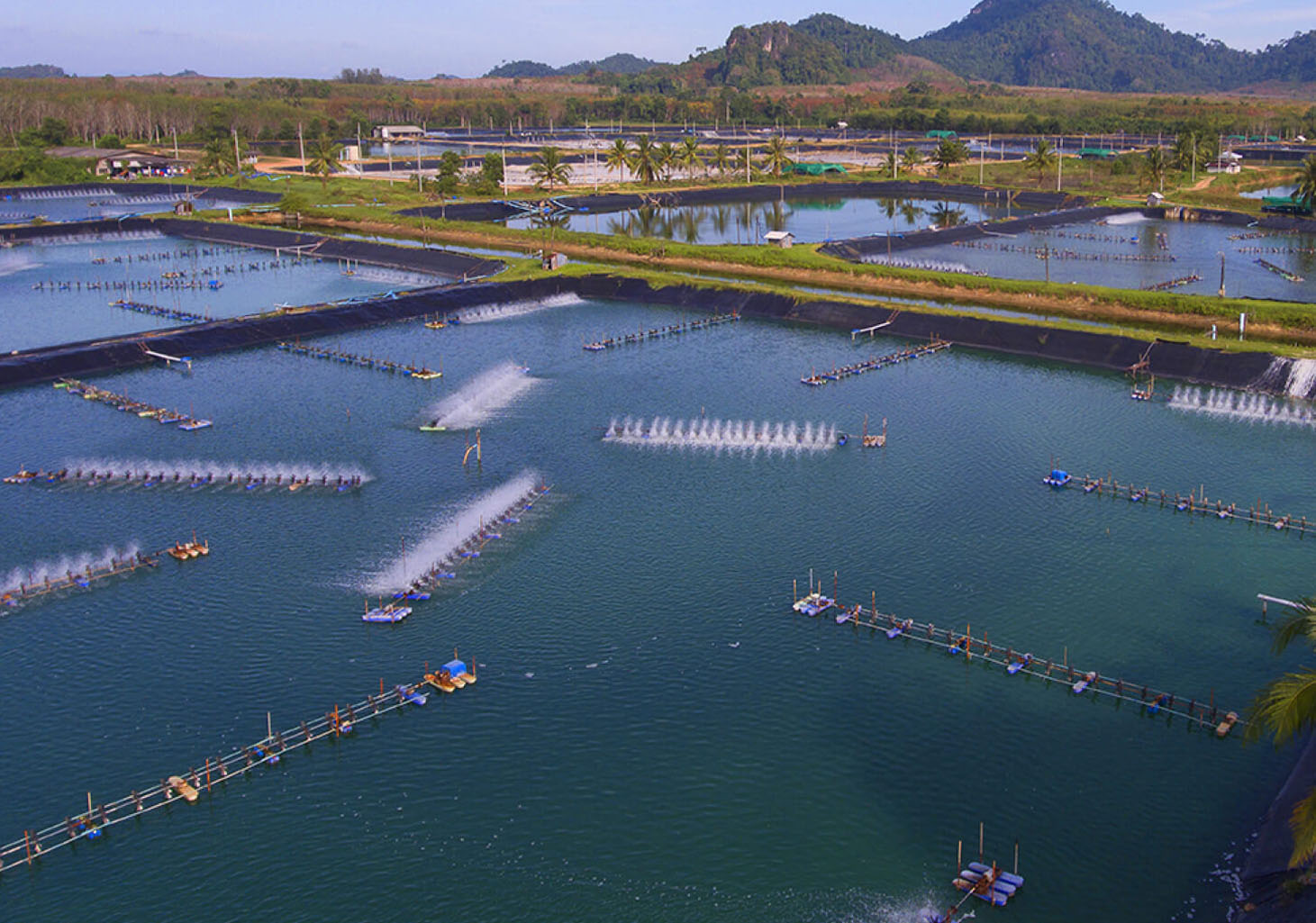
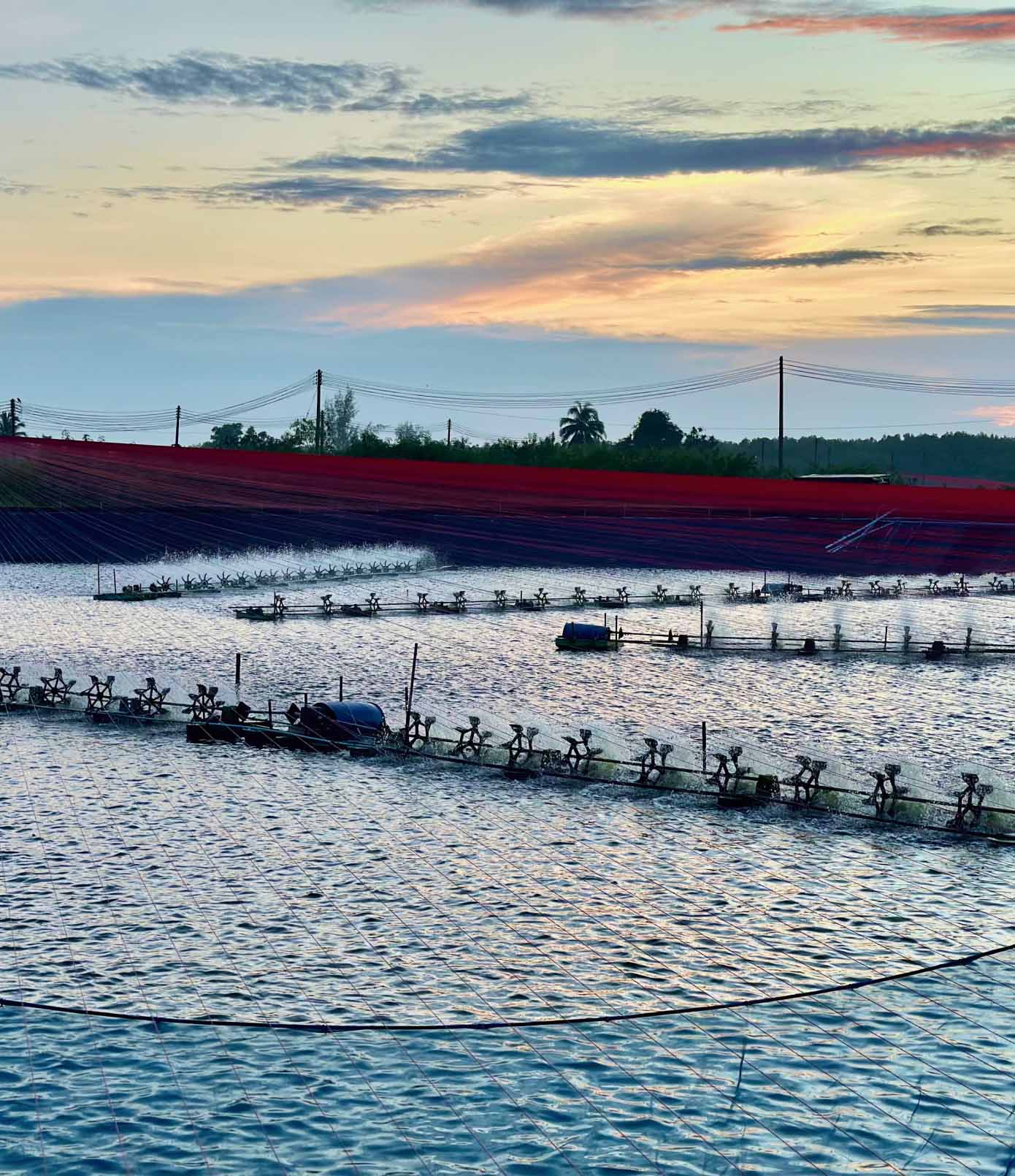
We will support practices that scale and drive innovations that reduce and minimize negative impacts on social and environmental systems, including considerations for feed and antibiotics. By driving traceability, our full value chain strategy extends downstream to farms, feed producers, soy producers, and across our direct and indirect operations.

Further, our aim is that our products are fully traceable to the farm and certified to an industry recognized standard, like Aquaculture Stewardship Council (ASC) or Best Aquaculture Practices (BAP), or are on the way to certification through a credible Aquaculture Improvement Project (AIP). The aquaculture feed used in the supply chain should be certified against a credible standard that ensures ingredients are deforestation free and protect the marine environment.

Thai Union helps feed the world with nutritious and responsibly produced seafood, operating in harmony with the local ecosystem. By addressing food security through a resilient food system, we are able to impact millions of lives who depend on the seafood industry for both food and for their livelihoods.

SEACHANGE® COMMITMENT

%
farmed shrimp and its feed is produced responsibly, meeting industry credible standards, or is in an improvement program that minimizes impact on surrounding ecosystems
by 2030.
%
of the farms we source from are a safe and decent workplace
by 2030.

Innovation

  • Develop a standardised Aquaculture Improvement Program (AIP) Framework with industry partners
  • Ensure verification of improved performance, leading to industry best practices through the AIP framework
  • Work in partnership on alternative methods of minimizing or combating disease outbreaks
  • Develop new feed formulations and novel ingredients

Sourcing

  • Establish traceability to farm and feed across the global supply chain
  • Source product from certified sources or those in an AIP
  • Drive the use of certified feed
  • Ensure marine feed ingredients originate from responsibly managed fisheries
  • Ensure agricultural feed ingredients originate from deforestation and conversion free sources
  • Drive the reduction of critical antibiotics usage
Prev
Next

ACTION PLAN

FUTURE OUTCOMES

Impact Areas

Climate Action

Reduce the risk of deforestation by mapping and monitoring the feed supply chain

Biodiversity

Protect biodiversity via farm certification or engagement in an AIP, as well as, deforestation and conversion free feed

Human & Labor Rights

Protect livelihoods and workers within our global supply chain

Health & Wellness

Track antibiotics use and reduce antimicrobial resistance to protect public health

United Nations Sustainable Developments Goals

OUR PROGRESS (2024)

61%
By 2030
100%

Farmed shrimp is produced responsibly, meeting industry credible standards, or is in an improvement program that minimizes impact on surrounding ecosystems by 2030

15%
By 2030
100%

of shrimp feed used in shrimp products supplied to Thai Union is produced responsibly

100%
By 2030

Paper-based traceability

100%

of farmed shrimp can be traced back to the farm level

0%
By 2030

Digital GDST Interoperable traceability

100%

of farmed shrimp can be traced back to the farm level

61%
By 2030
100%

of the farms we source from are a safe and decent workplace by 2030

(*Note: progress is reported by sourcing volume)