
GLOBAL URGENCY

Safe, decent, and equitable work are the foundational building blocks for any successful business. This includes, but is not limited to fair wages, employment security, health and safety, non-discrimination, equal opportunity, and respect for workers’ rights.

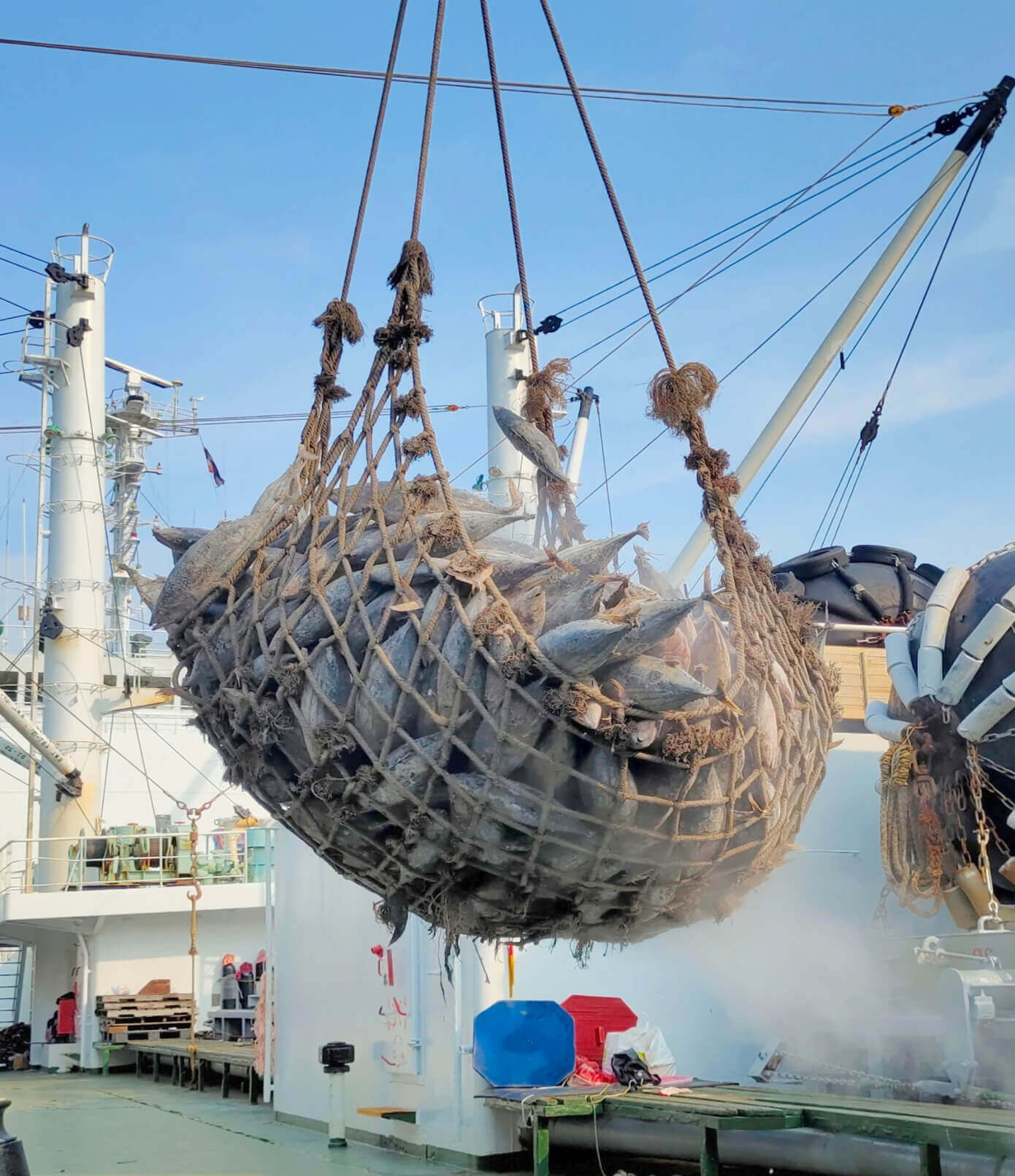
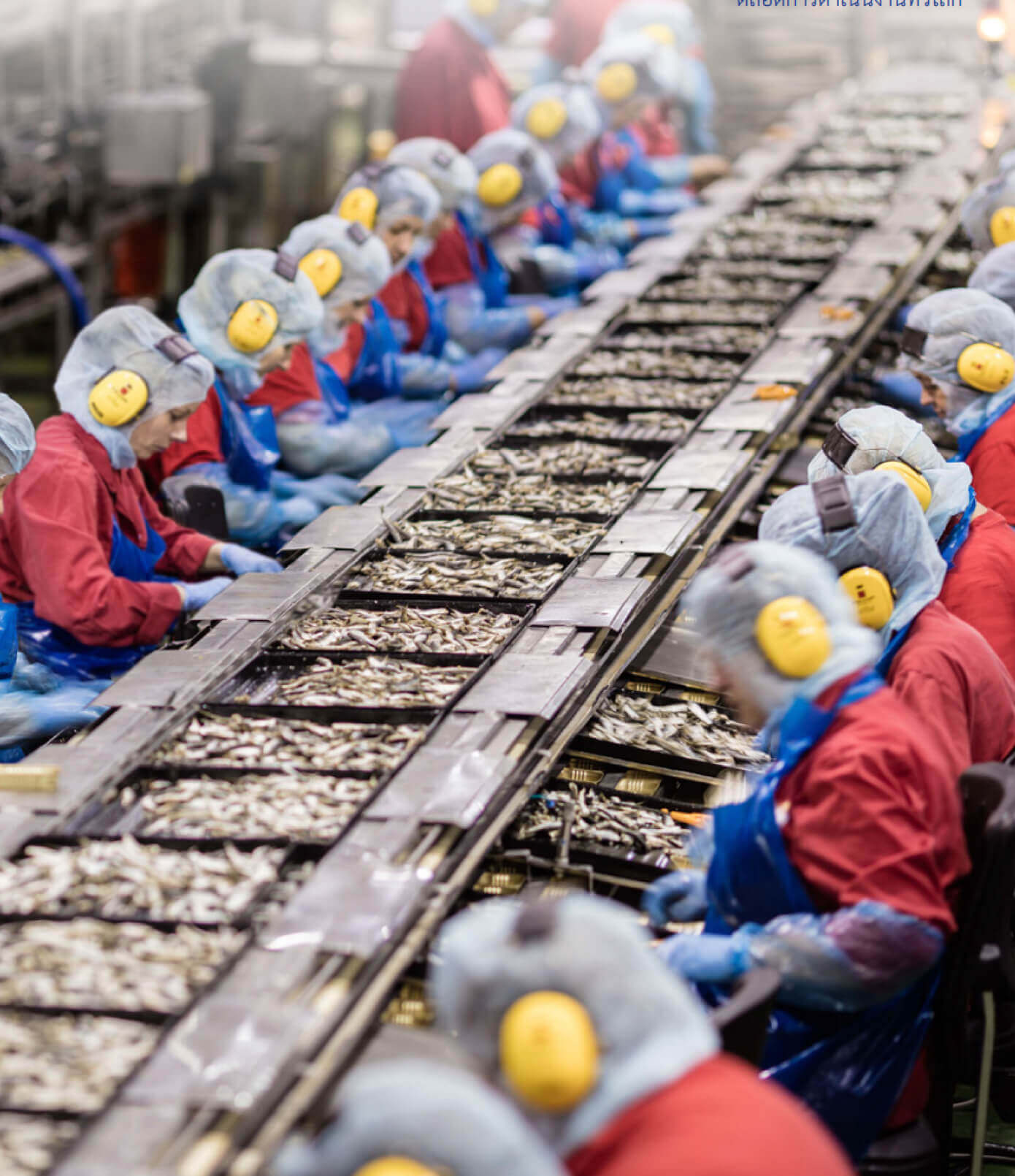
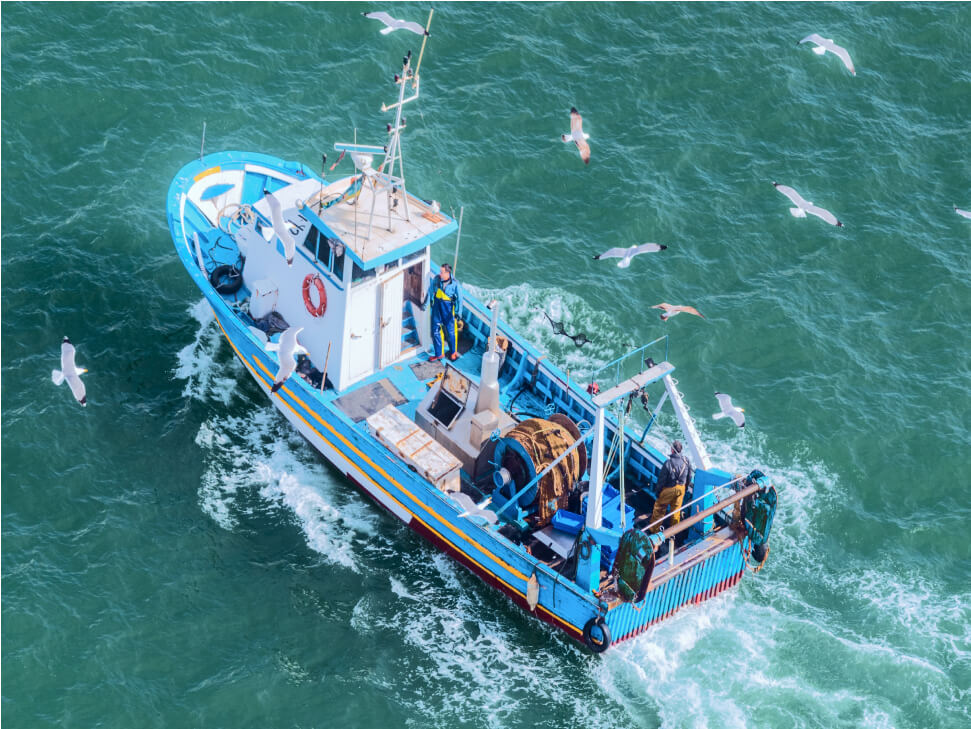
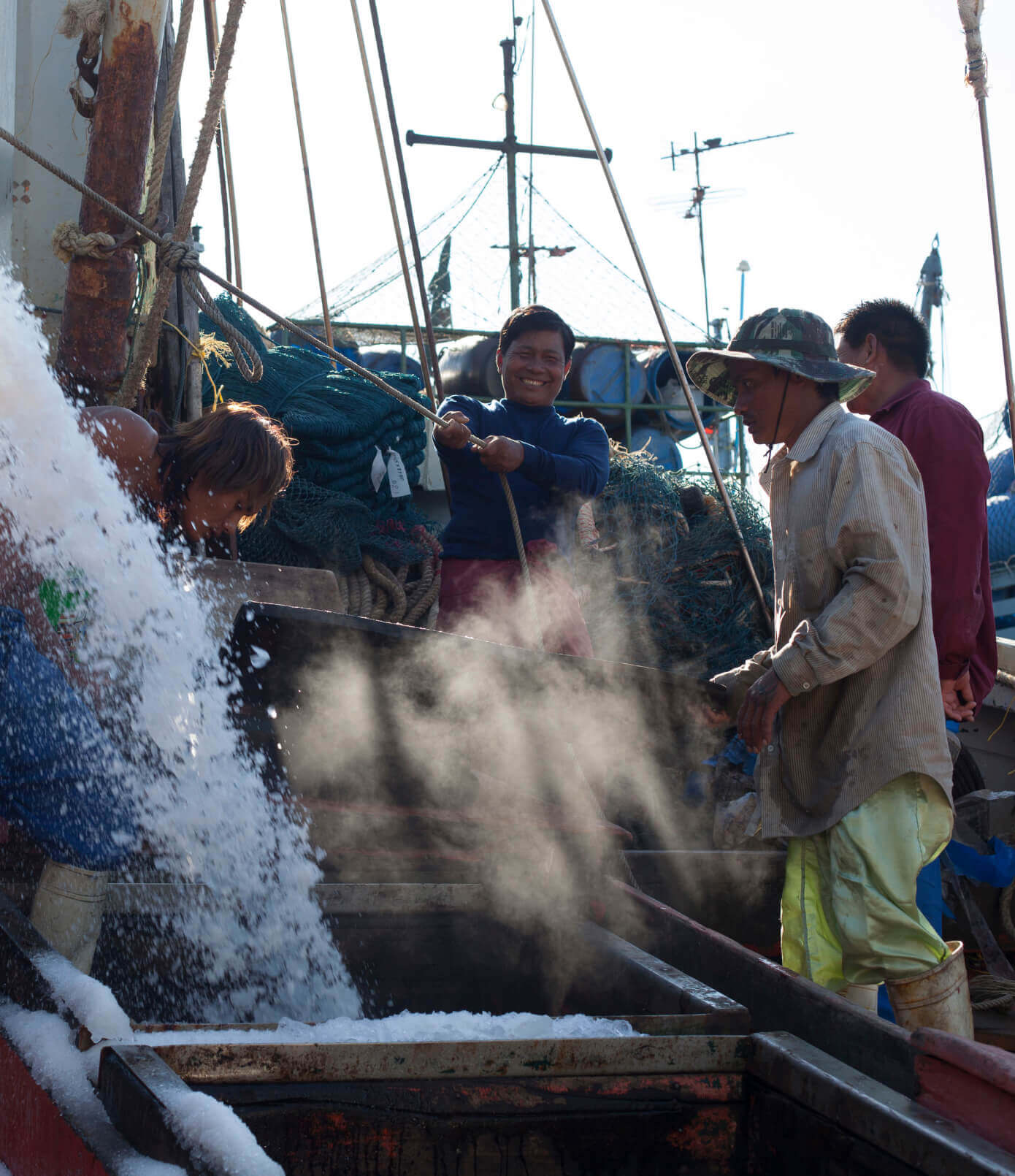
Workers in the seafood industry deal with long hours, dangerous work environments, and limited access to medical facilities. Many maritime safety standards exclude fishing vessels, which can leave up to 15 million workers onboard susceptible to unfavorable working conditions or worse, forced labor while trapped at sea. In addition, workers, predominantly migrants, face discrimination with little to no consequence for those responsible.
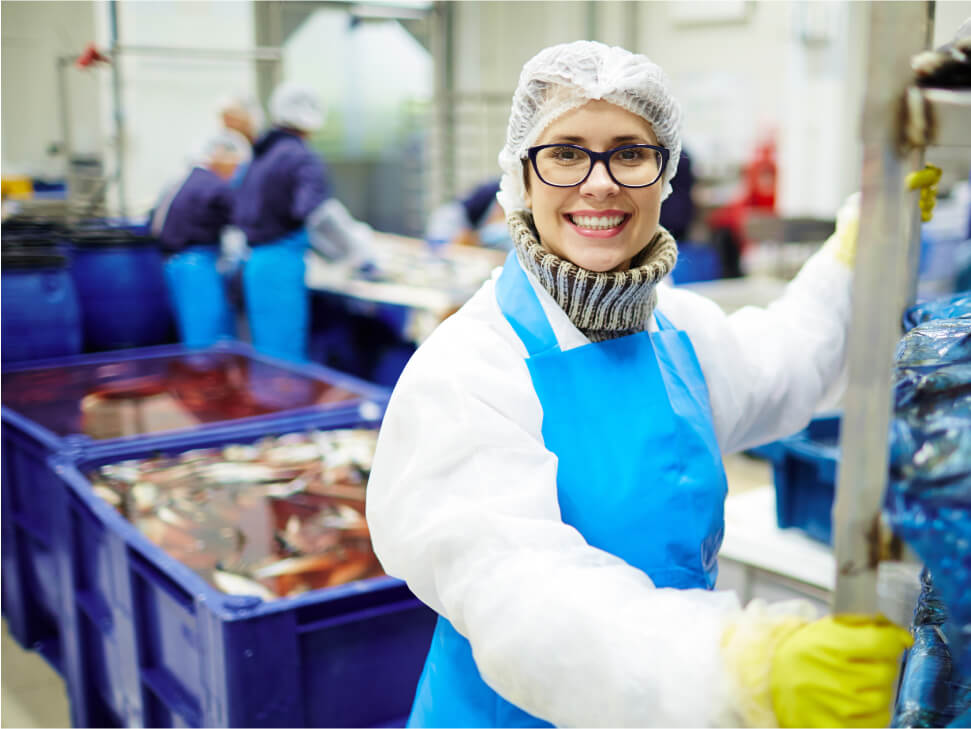
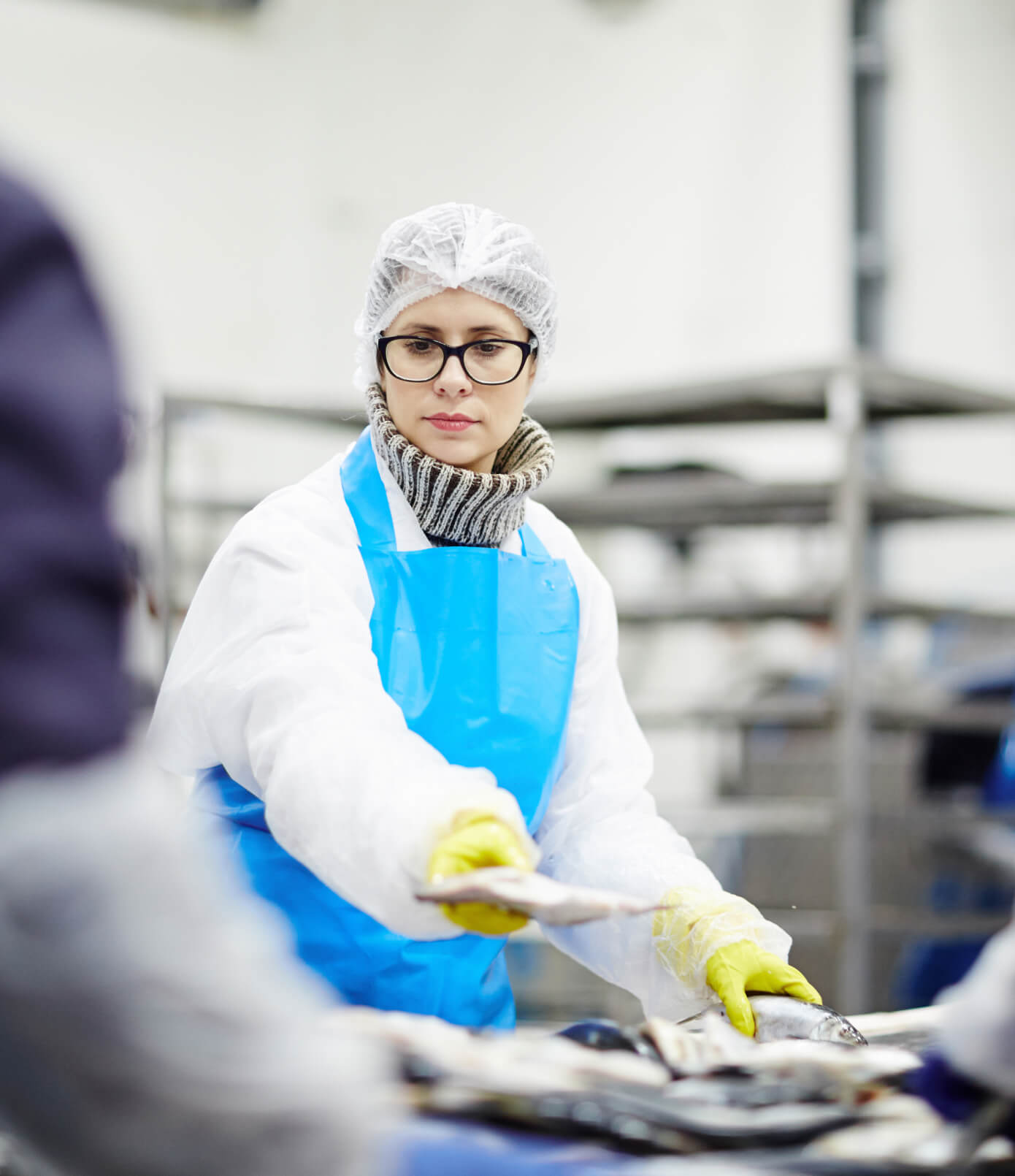
Women represent up to 50% of all seafood workers, but primarily work in low-skilled, low-paid, and low-valued positions. Businesses that actively support gender equality make better decisions up to 87% of the time, and those that show a commitment to gender diversity tend to attract and retain better talent. When companies protect workers and invest in equitable solutions, communities prosper, and business ultimately thrives.
INTEGRATED APPROACH

Thai Union continues to advance our efforts to improve the lives and livelihoods of all workers by providing safe and decent work within our own operations and only sourcing from suppliers that are committed to improving working conditions in line with current industry standards. This incorporates changes to employment practices such as responsible recruitment, access to worker voice mechanisms, equal opportunity practices, occupational health and safety, and supply chain traceability.

Although Thai Union does not own any vessels, it is our responsibility to ensure the vessels and farms we source from are free from any exploitation or mistreatment. Thai Union continues to work with suppliers to understand the supply chain and implement effective and lasting improvements. We are embarking on a profound commitment to drive forward labor rights advancements across our entire global operations, from upstream to downstream, working to ensure the well-being and dignity of our workers and our suppliers' workers at every stage.

SEACHANGE® COMMITMENT

%
of the vessels and farms we source from are a safe and decent workplace
by 2030.
Work towards a diverse and inclusive workplace.
%
management positions within our operations are held by women,
by 2030.
Reduce the lost time injury
frequency rate to 0.15 and strive towards zero accidents and injuries across our global operations.

Responsible Recruitment

  • Ensure responsible recruitment by implementing Employer Pays Principles across our own global operations
  • Continue to work with industry partners to advance responsible recruitment in the global seafood industry

Suppliers - vessels & farms

  • We will implement Thai Union’s Code of Conduct with our suppliers and make sure the work and welfare conditions are met or are improving to be met for 100% of the vessels and farms we source from
  • Secure protections for workers across the supply chain by deploying worker voice and other empowerment mechanisms
  • Continue to engage with social partners to ensure our requirements are up to date with current industry standards and practices.

Production

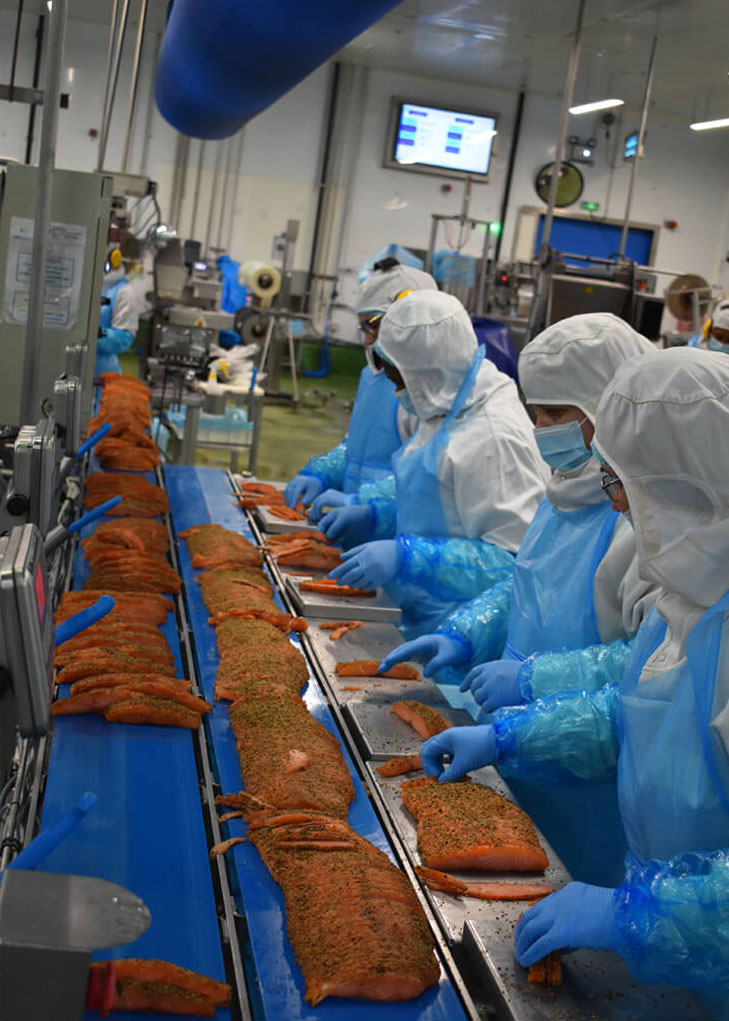
  • Ensure safety of all workers across Thai Union’s processing sites by conducting regular training, hazard prevention and risk assessments

Supporting gender equity

  • Develop and enhance leadership development programs, ensuring equal gender participation
  • Establish equal gender representation during interview processes for all management roles and internal succession planning of management roles
Prev
Next

ACTION PLAN

FUTURE OUTCOMES

Impact Areas

Human & Labor Rights

  • 100% of vessels & farms meet or are working towards meeting industry best practices in welfare & working conditions
  • 50% of management positions within our global operations are held by women 

United Nations Sustainable Developments Goals

OUR PROGRESS (2024)

Tuna Vessel: 88%
By 2030
100%

of the vessels and farms we source from are a safe and decent workplace by 2030

(We are developing programs for farms and vessels used for non-tuna species, including policies, auditing approaches and monitoring mechanisms.)

35%
By 2030
50%

of management positions within our operations are held by women, by 2030

0.22
By 2030

Reduce the lost time injury frequency rate to 0.15 and strive towards zero accidents and injuries across our global operations

(The LTIFR performance includes employees and contractors in manufacturing sites, farms, hatcheries and offices)