GLOBAL URGENCY

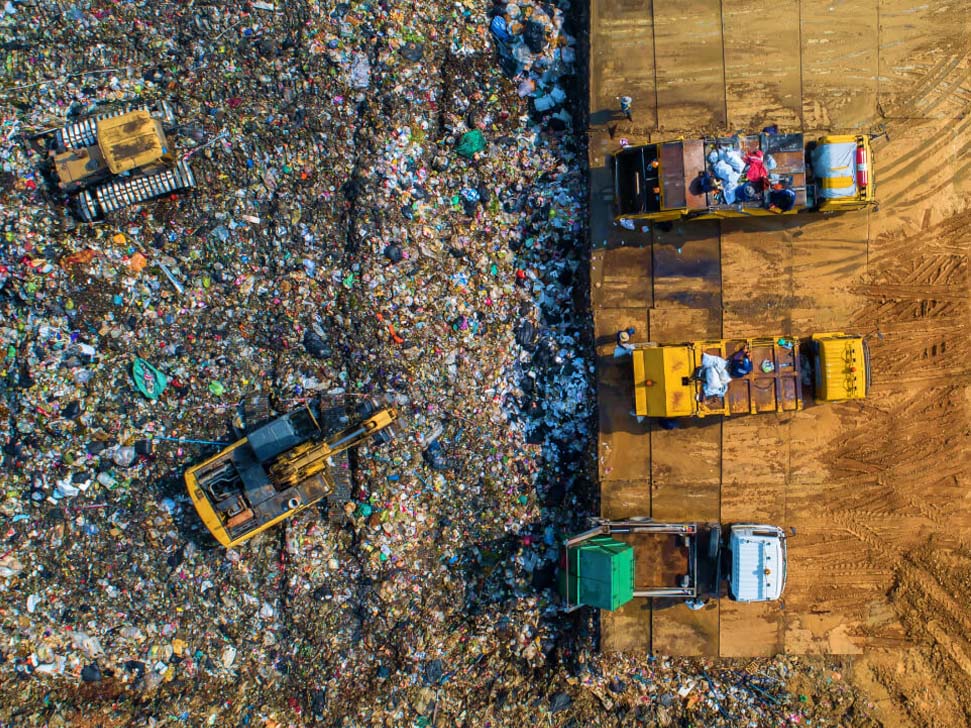
Each year, an astonishing one-third of food produced for human consumption (equivalent to 1.3 billion tons) is needlessly lost or wasted on a global scale. Tragically, this immense food waste finds its way into landfills, accounting for nearly 10% of the world's greenhouse gas emissions.

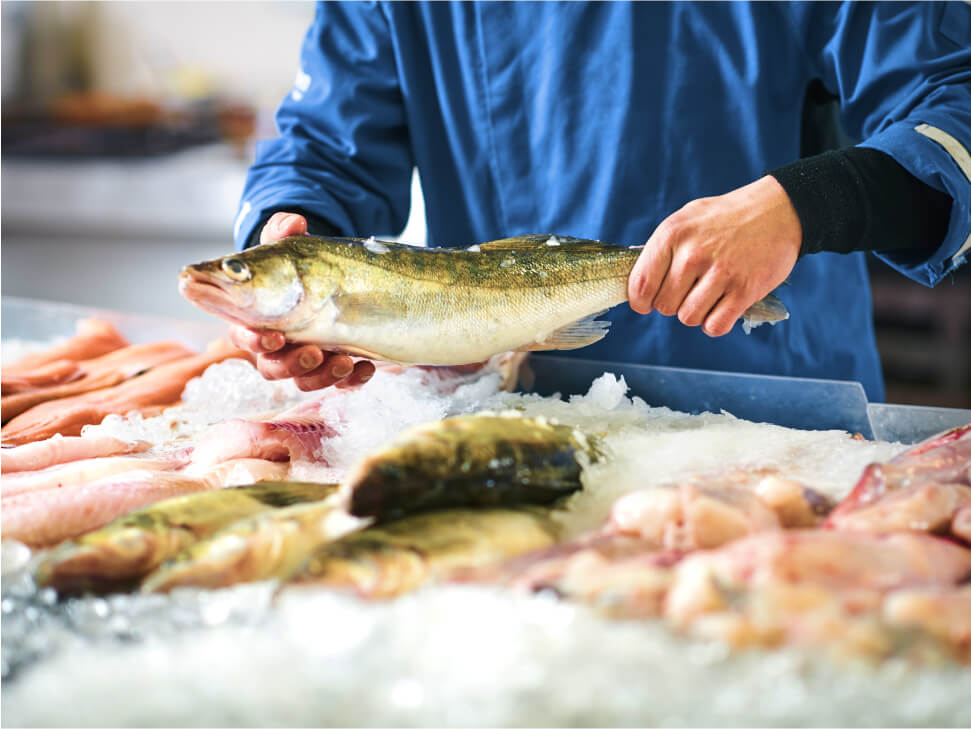
Furthermore, up to 35% of fish extracted from our seas also goes to waste. These losses not only squander opportunities to enhance food security but also hinder our progress in curbing the environmental footprint of food production and consumption.

INTEGRATED APPROACH

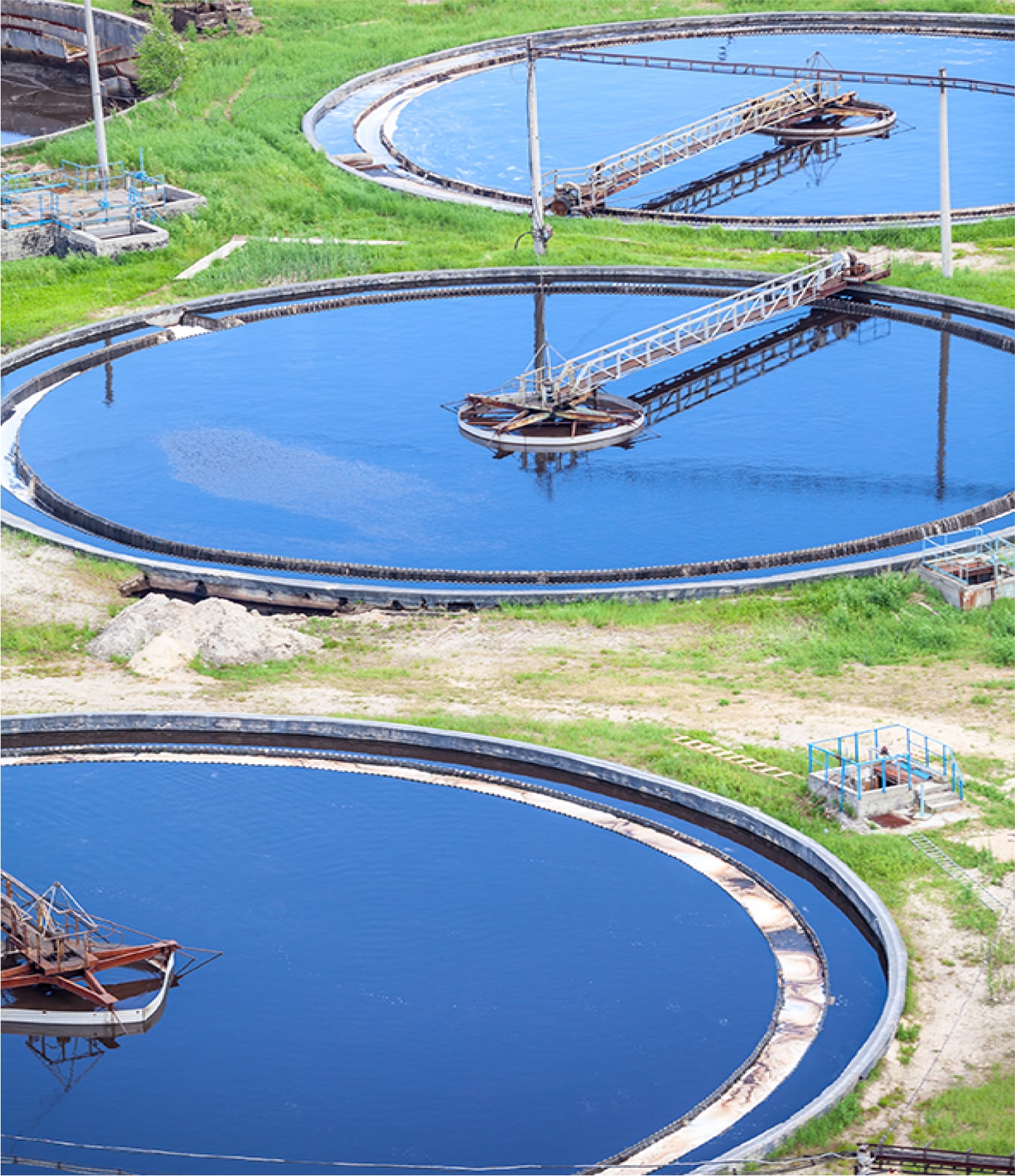
We will establish efficient systems of reuse and recycle during production by proactively implementing waste elimination measures at key production facilities and developing downstream waste removal programs that embrace responsible disposal alternatives. This impactful initiative will be carried out at five strategic processing facilities, driving substantial progress in waste management.

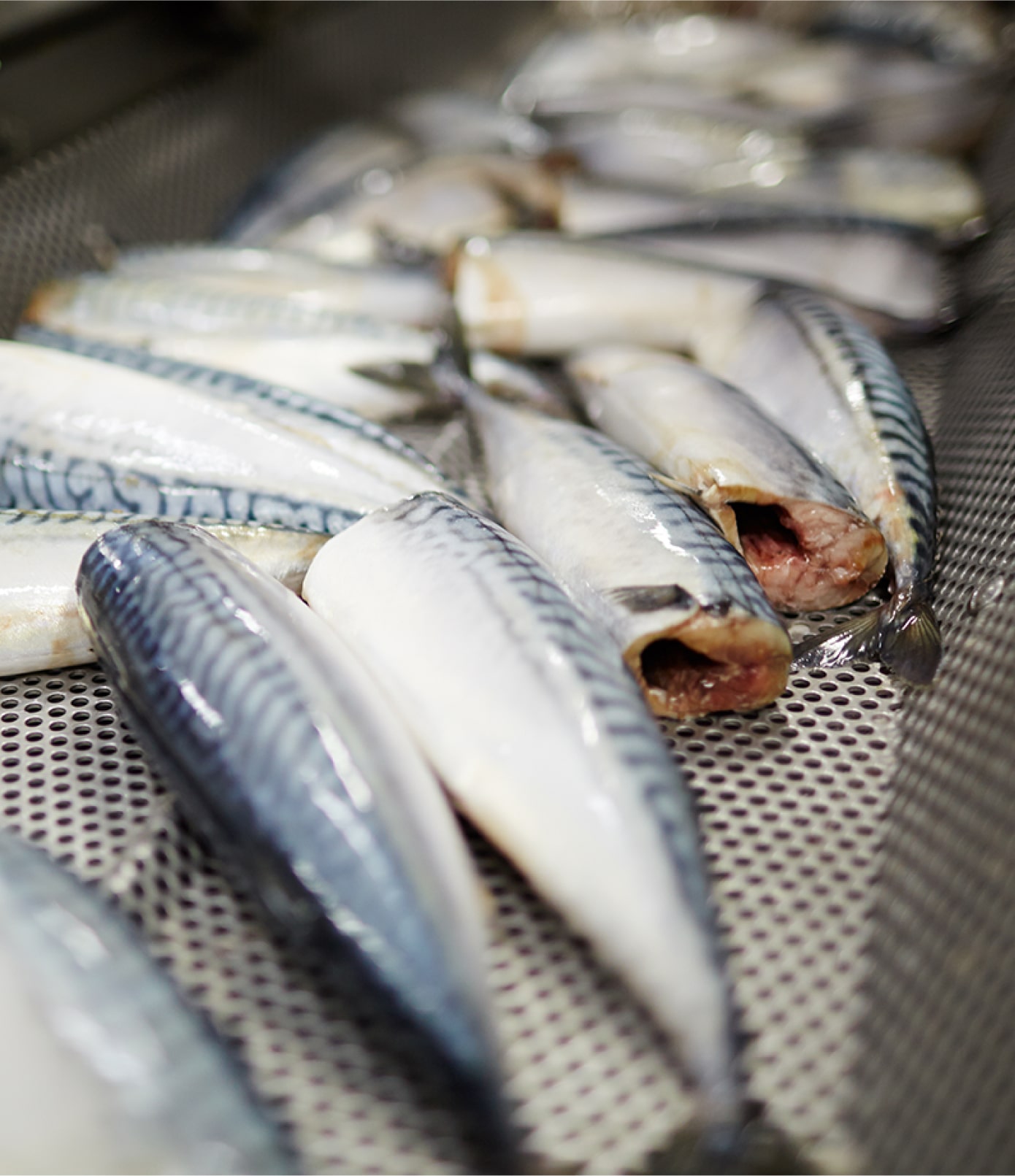
We are dedicated to spearheading innovative solutions that maximize the utilization of every ingredient, ensuring zero food loss. Additionally, we are committed to adopting advanced manufacturing techniques and state-of-the-art machinery to prevent water discharge and waste from ending up in landfills.

By addressing water pollution, solid waste, and food waste across our global processing network, we can significantly contribute to creating a positive environmental impact.

Our dynamic action plan encompasses a diverse array of tactical solutions, carefully devised to deliver impactful results in both the short and long term. Thai Union is advancing the industry by demonstrating the ways in which high-volume production facilities can operate a circular manufacturing process.

SEACHANGE® COMMITMENT

by 2030,
%

elimination of food waste, waste to landfill and water discharge

Five key processing facilities will have implemented:

  • Zero waste to landfill by 2030
  • Zero water discharge
  • Zero food loss

Innovation

  • Continue to drive innovation to fully utilize seafood and eliminate food waste
  • Explore new technologies, including automation of production processes

Production

  • Conduct feasibility assessment for zero water discharge to reduce water consumption
  • Sort all processing waste and seek upcycling and recycling opportunities
  • Install advanced water recycling systems
Prev
Next

ACTION PLAN

FUTURE OUTCOMES

Impact Areas

Circularity

Zero water discharge, zero waste to landfill & zero food loss

Biodiversity

Eliminating waste to landfill protects life on land and below water

United Nations Sustainable Developments Goals

OUR PROGRESS (2024)

1/5 facilities
By 2030

Five key processing facilities will have implemented: Zero waste to landfill by 2030

1/5 facilities
By 2030

Five key processing facilities will have implemented: Zero water discharge

3/5 facilities
By 2030

Five key processing facilities will have implemented: Zero food loss