
GLOBAL URGENCY

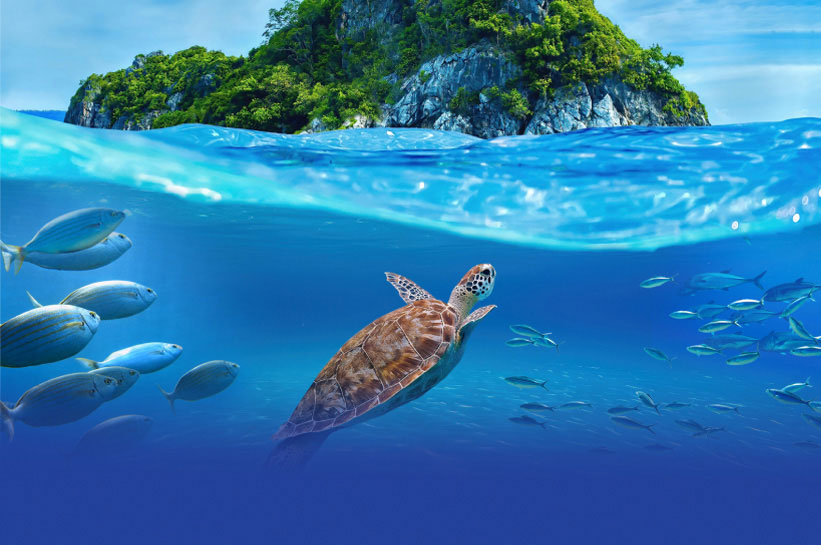
Our oceans, the planet's largest ecosystem, are under threat.

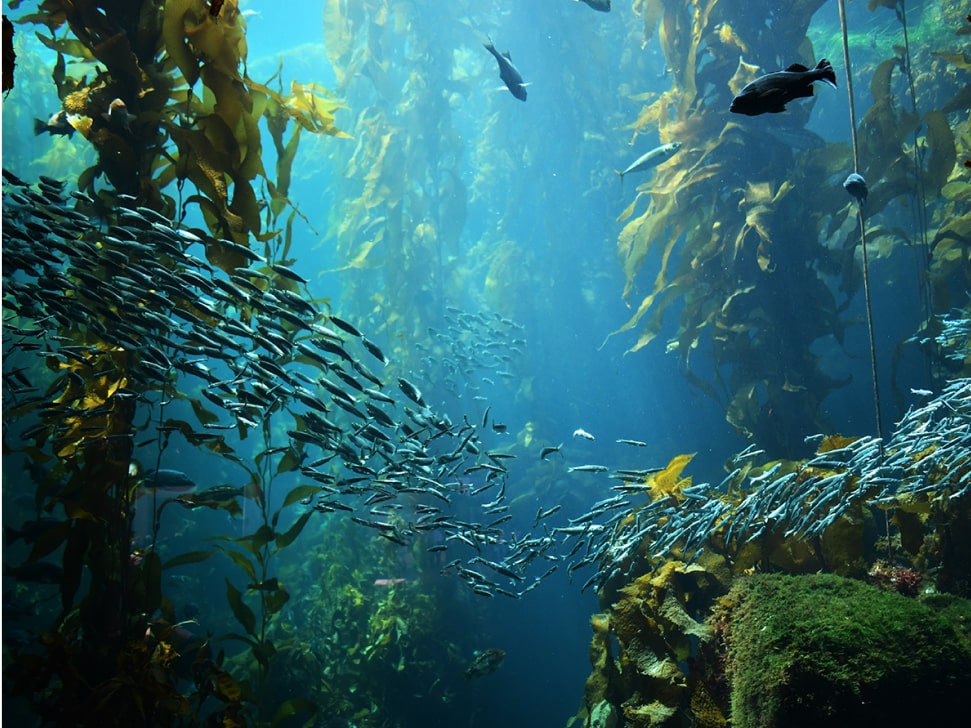
Wildlife populations are declining at alarming rates. More than 30% of global fish stocks are currently overfished, and more than 30% of coral reefs and marine mammals under threat - many of them considered endangered, threatened or protected.
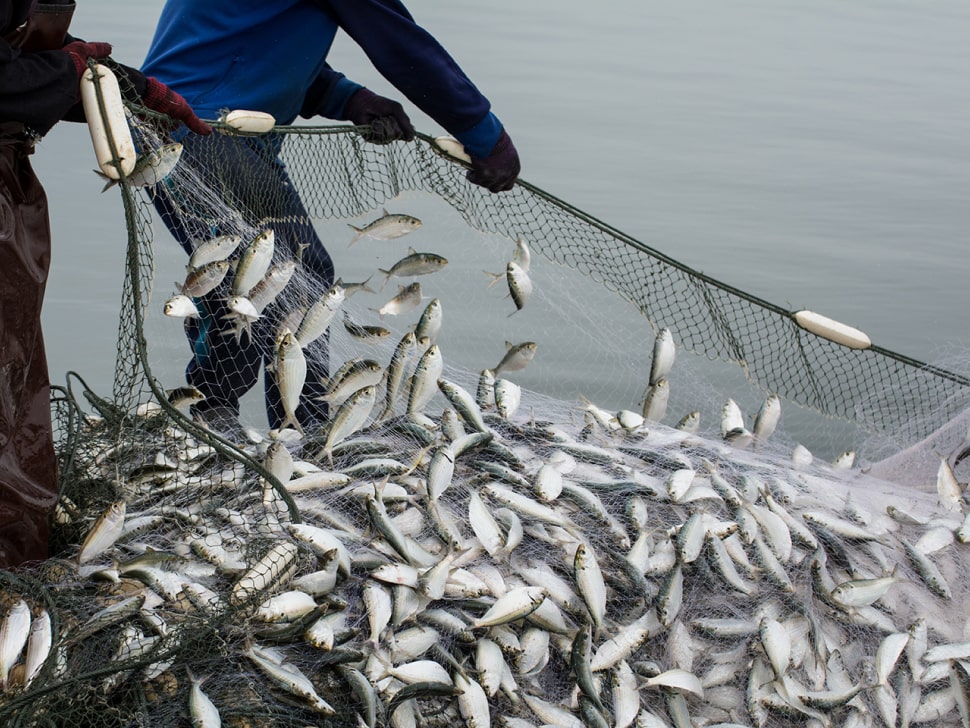
Fishing industry conditions can be hazardous and being at sea creates a barrier to enforcement and oversight. The UN estimates that around 600 million people are dependent on fisheries and aquaculture for their livelihoods.

Transforming the sector towards a sustainable blue economy is essential. Aquatic systems have the potential to support many people, provide a low carbon protein and contribute to our future food security. This must be achieved while preserving natural resources and the ecosystems that sustain them.
INTEGRATED APPROACH

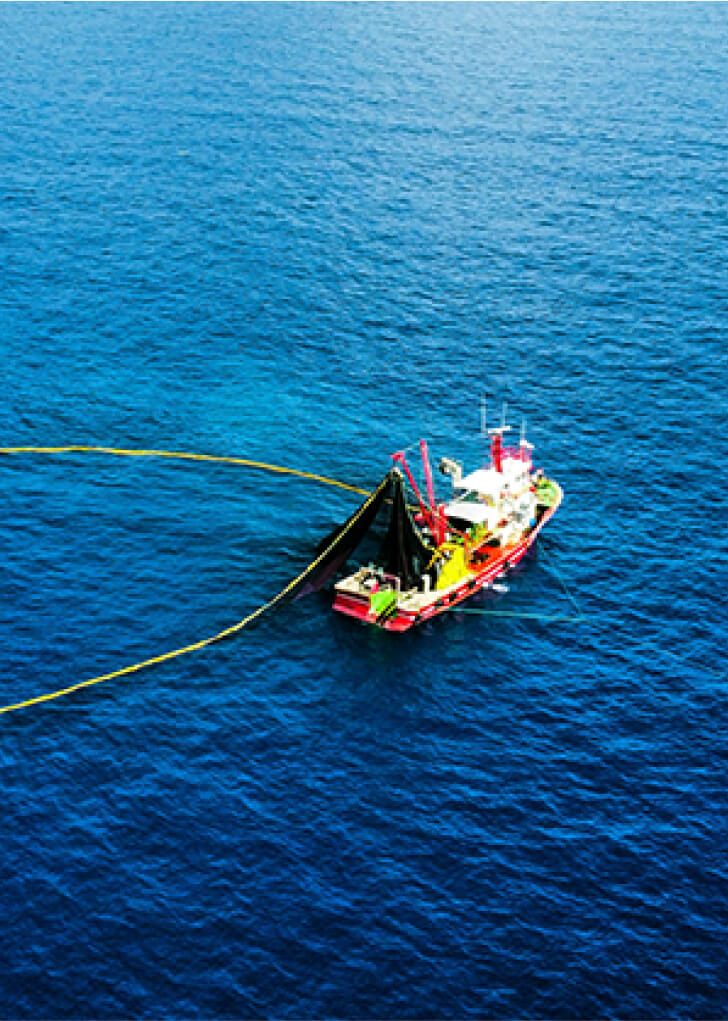
We will ensure responsible sourcing across all wild caught seafood for consumption by both humans and pets - including full traceability, protecting endangered and threatened species, increasing transparency at sea and aiming to only source from fisheries that are sustainable or verifiably improving.

We are aligning our targets with best practices using a prioritization approach to incentivize suppliers, partners, NGO’s, fisheries science organizations and experts to then guide, assess and implement improvements across our supply chain. We are also contributing to projects and initiatives in support of the UN’s Decade of Ocean Science for Sustainable Development by 2030. Further, we will reward suppliers who are committed to making change on the water.

Thai Union aims to remain an industry leader in responsibly sourced wild-caught seafood for people and pets. By sourcing responsibly, we will create a positive impact on marine resources and systems that are sustainable for future generations.

SEACHANGE® COMMITMENT

%
of wild-caught seafood comes from fisheries that are at sustainable levels or verifiably improving
by 2030.*
%
of vessels that we source from will meet best practices for seafarer welfare & working conditions or verifiably improving
by 2030.*
%
of vessels that we source from will implement best practices to safeguard endangered, threatened & protected species
by 2030.*
*All species in Priority Group 1, representing over 90% of our total wild-capture volume. We will continue to drive continuous improvement for other species towards and beyond 2030.

Sourcing

  • Engage & support change on the water with our suppliers
  • Implement new procurement procedures
  • Complete assessments of all fisheries & develop action plan, if needed
  • Protect workers by ensuring safe environments, freely chosen labor and rights are upheld.

Production

  • New product development only with fisheries that comply with new requirements
  • Protect workers by ensuring safe environments, freely chosen labor and rights are upheld

Governments & managers

  • Advocate for better fisheries management
  • Fund research & science that supports sustainable fisheries
  • Sustainably manage ecosystems & fisheries while increasing conservation & protection to restore stocks & avoid impacts from activities including pollution.

Customers

  • Increase transparency & support development of processes that drive change
  • Deliver impactful projects
Prev
Next

ACTION PLAN

FUTURE OUTCOMES

Impact Areas

Human & Labor Rights

Protect livelihoods and workers

Biodiversity

Improve utilization and sustainable development in line with science

United Nations Sustainable Developments Goals

OUR PROGRESS (2024)

99%
By 2025
Commitment 1

Tuna fisheries that Thai Union sources from are engaged in FIPs towards MSC certification, are in MSC assessment or are MSC certified

88%
By 2025
Commitment 2

Vessels have completed Vessel Improvement Plans or meet the VCoC or equivalent

97%
By 2025
Commitment 3

Vessels are monitored at sea and have either human or electronic coverage

100%
By 2025
Commitment 4

Suppliers and Thai Union operations meet ISSF conservation measures

100%
By 2025
Commitment 5

Vessels must report data, meet quota allocations and conservation measures according to RFMO resolutions

100%
By 2025
Commitment 6

Tuna is traceable to vessel and the Global Dialogue on Seafood Traceability (GDST) Standard 1.0 is implementable