
GLOBAL URGENCY

By 2050, will there be more plastic in the ocean than fish? The world produces about 400 million tons of plastic waste every year, and up to 199 million tons are currently in our oceans.
There are two main sources of plastic debris found in the ocean:

Land-based: coming from surface runoff, sewers, littering, inadequate waste disposal, industrial activities and illegal dumping.

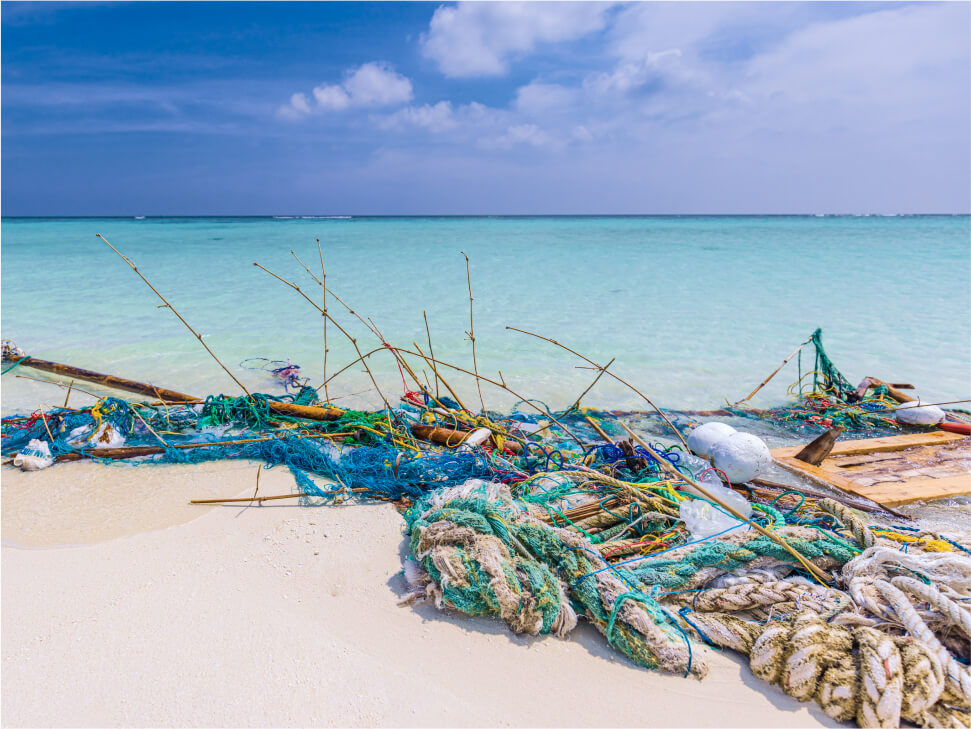
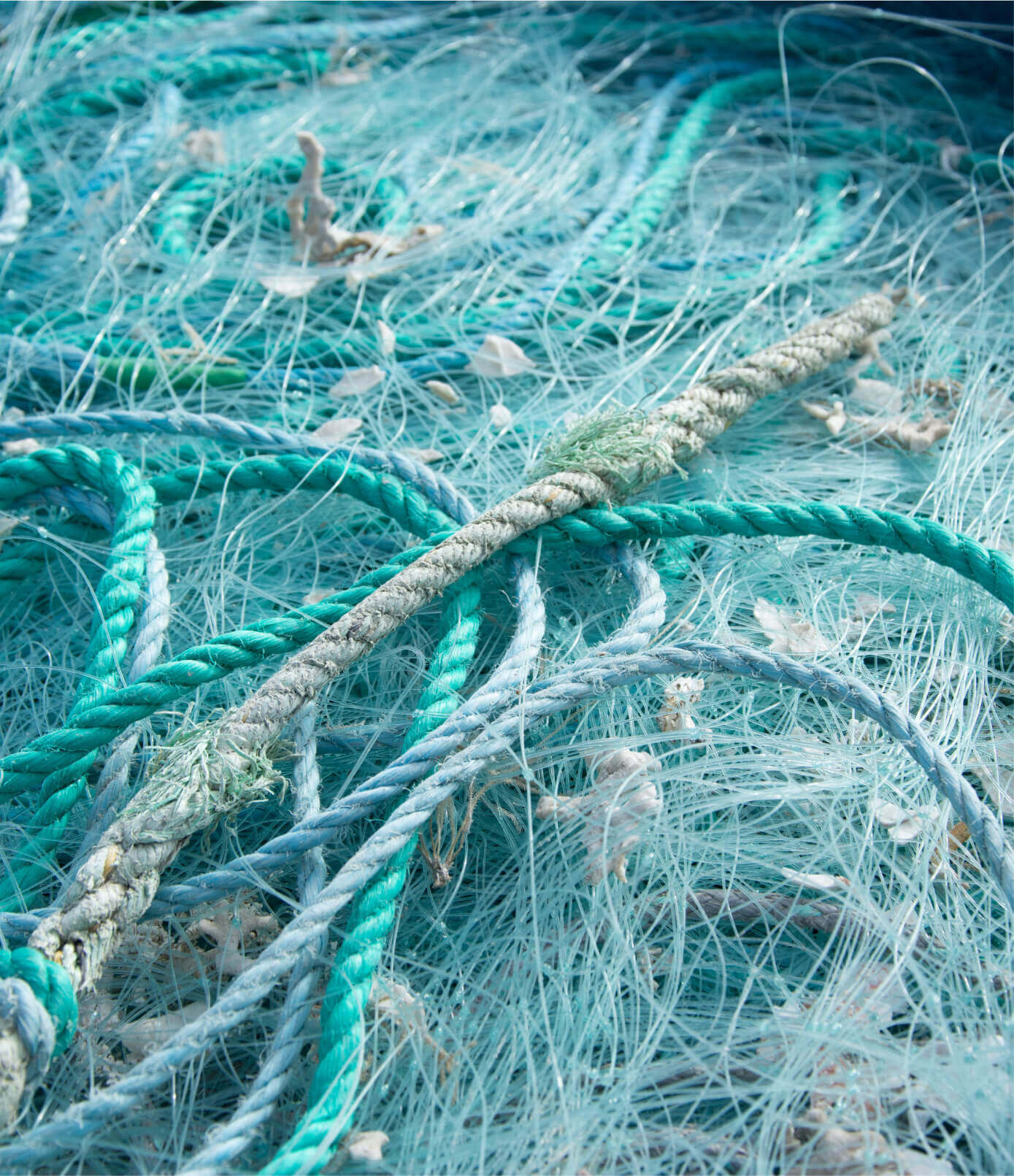
Ocean-based: coming from the fishing industry, nautical activities and aquaculture. Lost or abandoned fishing gear can result in what is called "ghost fishing" where nets and other materials continue to "fish" for decades.

Unless we change how we produce, use, and dispose of plastic, the amount of plastic waste entering aquatic ecosystems could triple and reach 37 million tons per year by 2040.
INTEGRATED APPROACH

Building upon our partnership with the Global Ghost Gear Initiative in 2018, Thai Union is amplifying their efforts to create a positive impact on aquatic resources, systems and wildlife that must be restored and protected from plastic pollution through avoidance, mitigation, and removal - not just with the vessels that we source from but also land-based waste.

We are utilizing a circular approach of plastic reuse and recycling, with responsible disposal, alongside programs to actively avoid ocean plastics like lost fishing gear. By diverting ocean-bound plastics, we decrease the threats to endangered, threatened, and protected species and help to restore marine biodiversity and regenerate ecosystems.

Our future existence and our industry depend on the health of our oceans. Our holistic approach includes pollution prevention through new innovations, converting to more sustainable packaging materials, driving awareness through education, and conducting ocean clean-up projects.

SEACHANGE® COMMITMENT

by 2030.
Divert
Tons
of ocean-bound plastic from our waterways and oceans.

Innovation

  • Deploy prevention innovations to capture plastics before they enter the oceans
  • Use new innovations such as ropeless gear and biodegradable FADs to prevent and mitigate ghost fishing

Sourcing

  • Continue on-vessel awareness and action on mitigating the loss of fishing gear
  • Carry out ocean plastic removal projects

Production

  • Convert packaging to be more sustainable

Customers

  • Build consumer awareness and education initiatives
Prev
Next

ACTION PLAN

FUTURE OUTCOMES

Impact Areas

Circularity

Apply reuse, recycle, and disposal systems to reduce plastic pollution

Biodiversity

Protect life below water by preventing plastic pollution from entering our oceans

United Nations Sustainable Developments Goals

OUR PROGRESS (2024)

16%

(Sept - Dec 2023)

By 2030

By 2030, divert 1,500 tons of ocean-bound plastic from our waterways and oceans.